

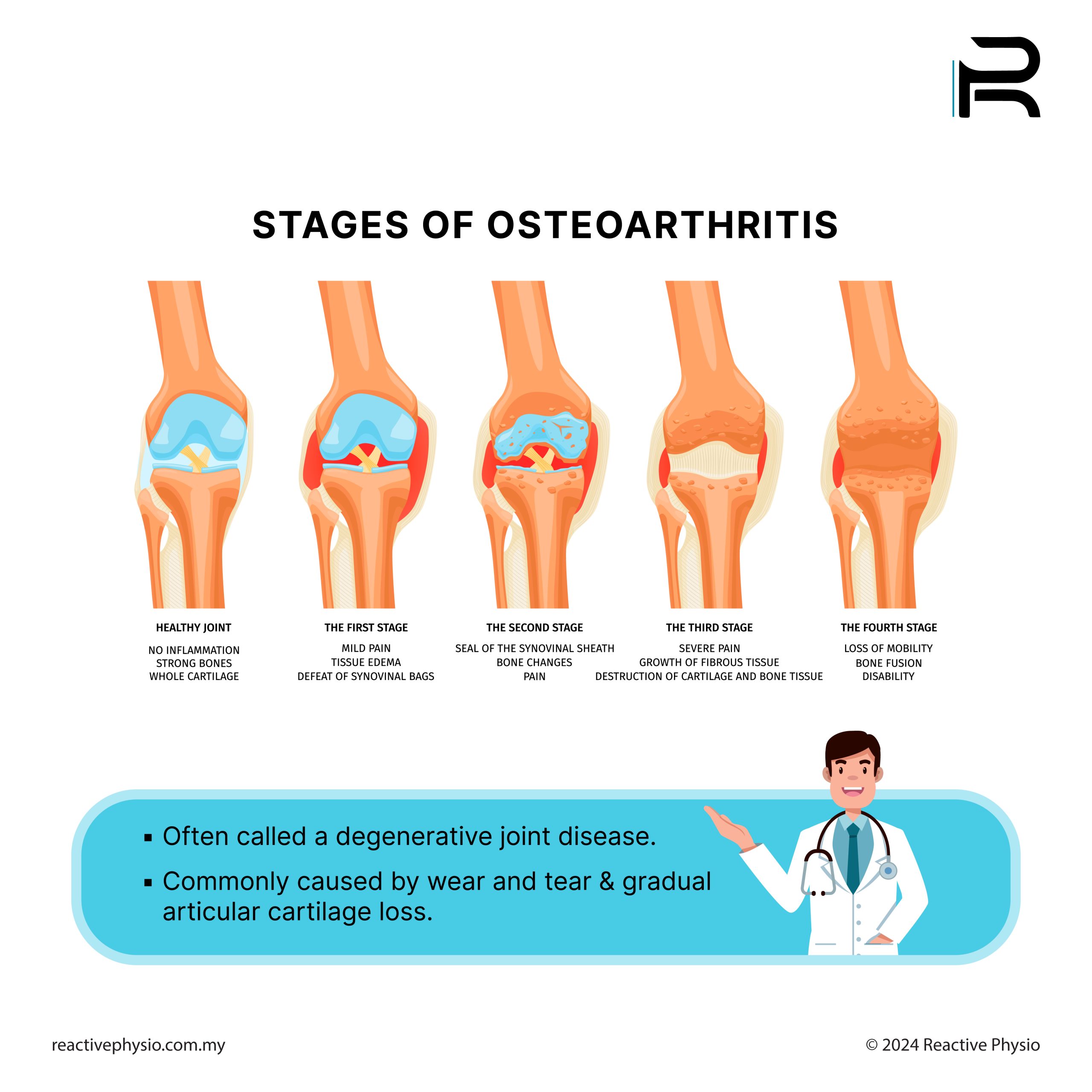



Knee osteoarthritis, often referred to as a degenerative joint disease, is a condition that affects millions worldwide, causing gradual articular cartilage loss and resulting in debilitating symptoms. In this blog post, we’ll delve into the intricacies of knee osteoarthritis, shedding light on its symptoms, risk factors, investigations, and available treatments. By understanding this condition more deeply, you can empower yourself or a loved one to navigate its challenges with knowledge and confidence.
Unveiling the Symptoms of Knee Osteoarthritis
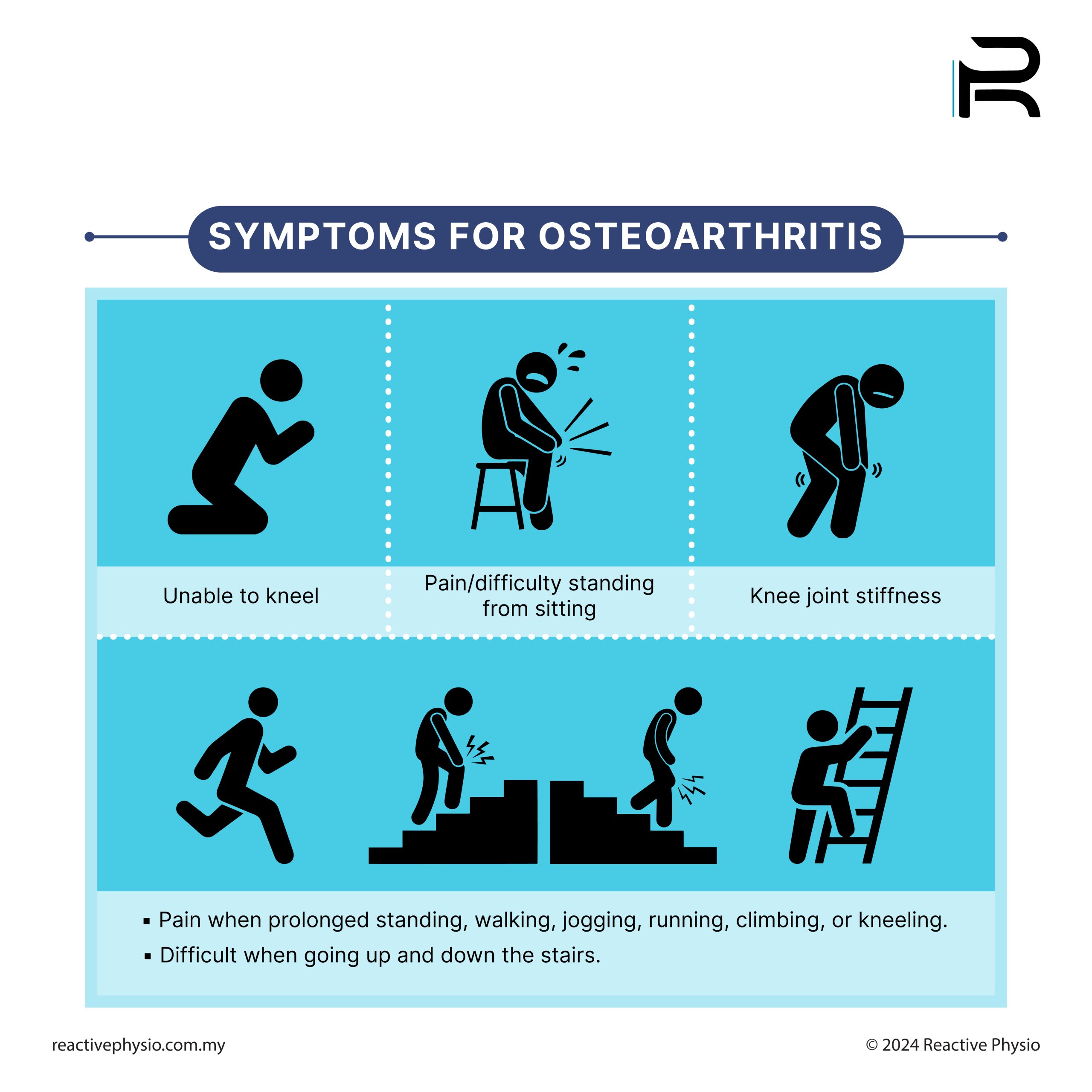
Symptoms of knee osteoarthritis can manifest in various ways, often causing discomfort and limitations in daily activities. Pain is a common complaint, particularly when engaging in prolonged standing, walking, jogging, running, climbing stairs, or kneeling. Individuals may also experience difficulty when navigating stairs or rising from a seated position due to knee joint stiffness and pain. The inability to kneel comfortably further adds to the burden of this condition. Recognizing these symptoms is crucial for early intervention and effective management of knee osteoarthritis.
Exploring Risk Factors and Contributing Elements
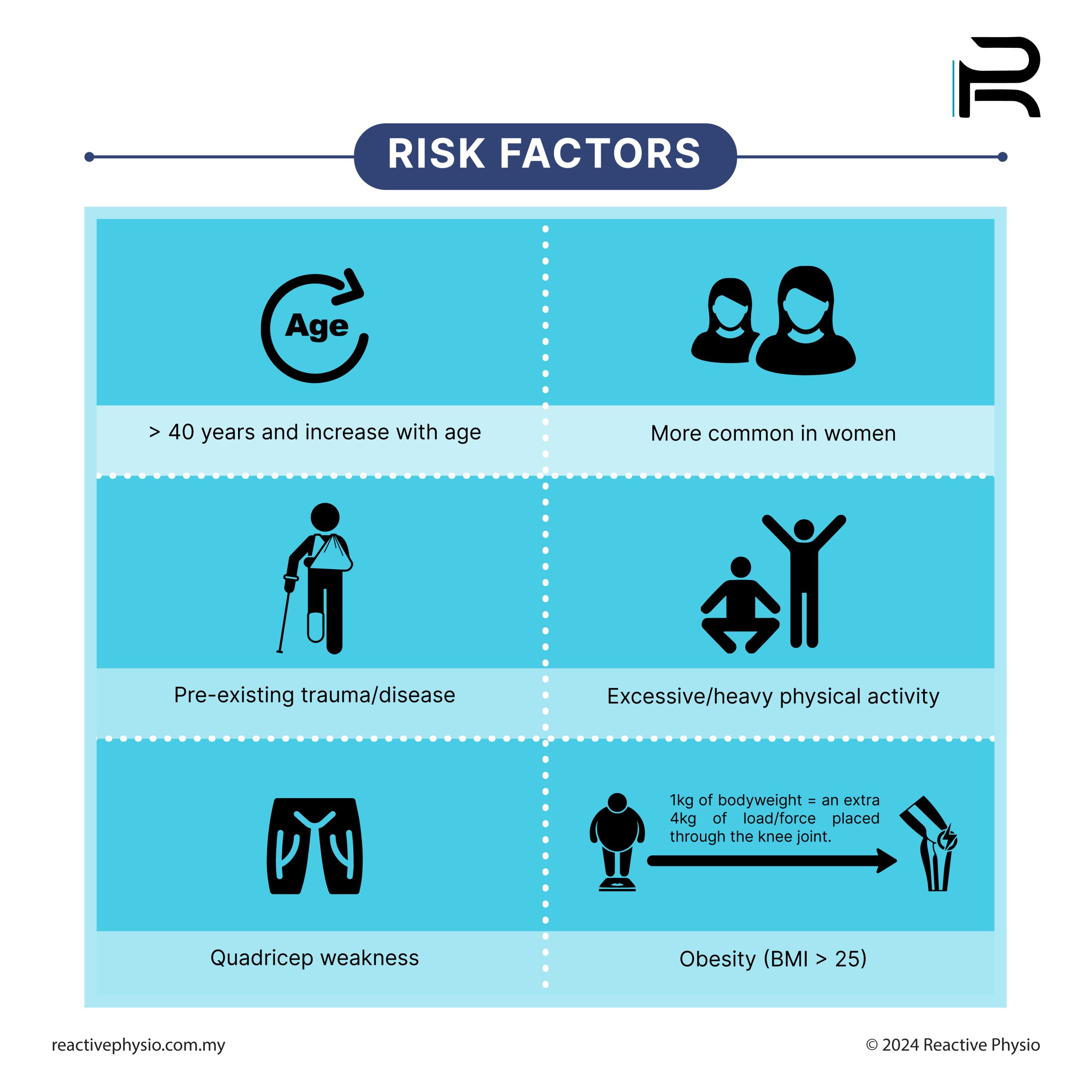
Several factors contribute to the development and progression of knee osteoarthritis, with age being a primary determinant. Individuals over 40 years old are at a heightened risk, and this risk increases with advancing age. Women are more commonly affected than men, while obesity poses a significant risk due to the increased load and force placed through the knee joint. Pre-existing trauma or disease, excessive physical activity, and quadriceps weakness also elevate the risk of developing knee osteoarthritis. Understanding these risk factors enables proactive measures to mitigate their impact and potentially slow the progression of the disease.
Insights into Investigations for Knee Osteoarthritis
Diagnosing knee osteoarthritis often involves diagnostic imaging techniques such as MRI (Magnetic Resonance Imaging) or X-ray examinations. These investigations allow healthcare professionals to visualize the extent of joint damage, assess cartilage loss, and identify any structural abnormalities. By obtaining a comprehensive understanding of the disease’s severity and progression, healthcare providers can tailor treatment plans to address individual needs effectively.
Navigating Treatment Options and Management Strategies
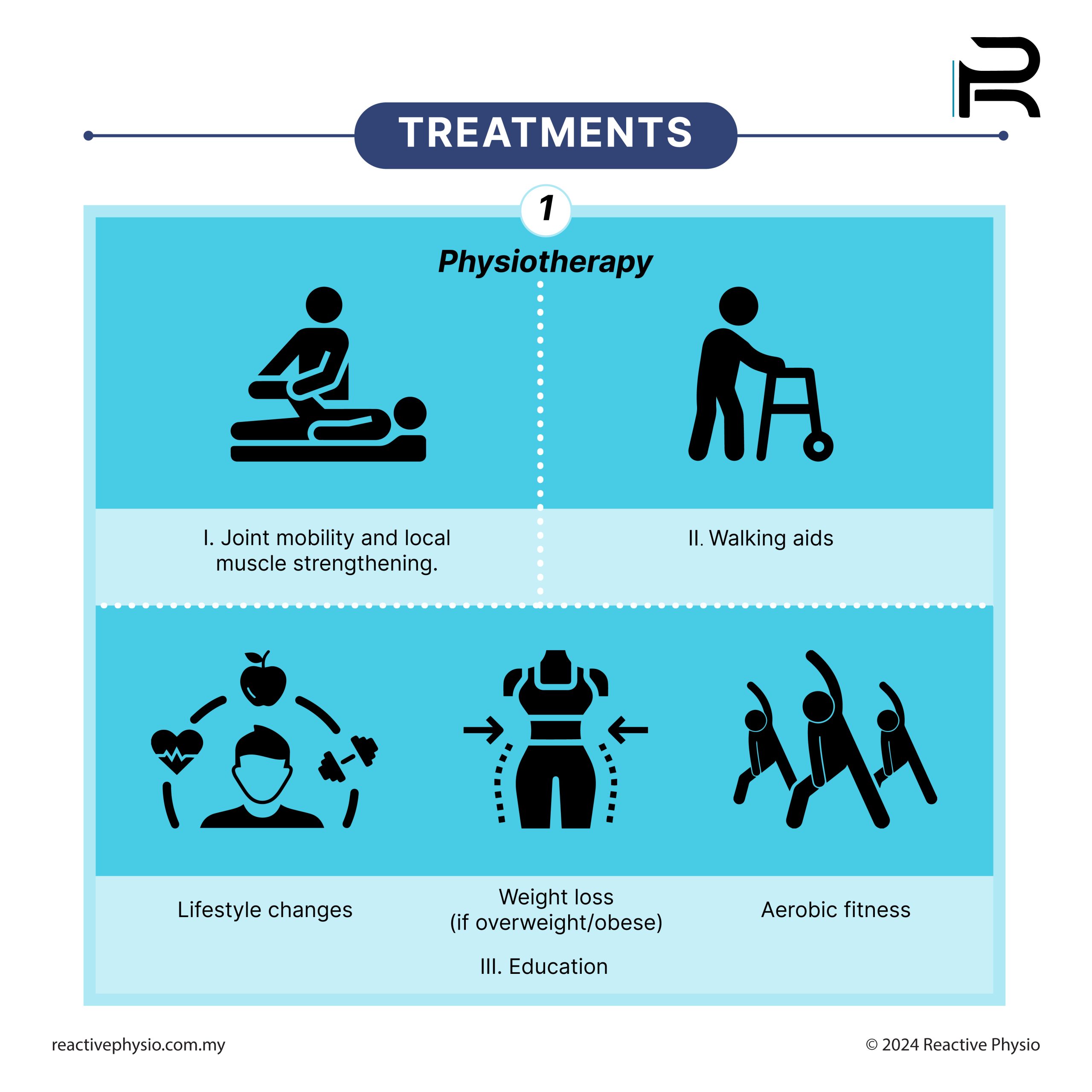
Treatment strategies for knee osteoarthritis encompass a multifaceted approach aimed at relieving symptoms, improving joint function, and enhancing overall quality of life. Physiotherapy plays a central role, focusing on joint mobility, local muscle strengthening, and education regarding lifestyle modifications. Weight management is emphasized, as excess weight exacerbates knee joint strain. Additionally, pain relief measures, such as oral medications or corticosteroid injections, provide symptomatic relief. Supportive measures, including the use of braces and thermotherapy, can further alleviate discomfort. In severe cases, surgical interventions like osteotomy or total knee replacement may be considered to restore function and mobility.
Empowering Awareness and Action
Knee osteoarthritis poses significant challenges, but with awareness and proactive intervention, individuals can effectively manage their symptoms and improve their quality of life. By recognizing the symptoms, understanding risk factors, undergoing appropriate investigations, and exploring diverse treatment options, individuals can embark on a journey towards better joint health and mobility. Empowerment begins with knowledge, and armed with this understanding, you or your loved ones can navigate the complexities of knee osteoarthritis with confidence and resilience.
RE+ACTIVE is your trusted centre for Physiotherapy and Rehab Pilates — designed to support individuals through every stage of recovery, movement enhancement, and long-term wellness.
Whether you’re dealing with chronic pain, recovering from injury, improving postural strength, or optimizing movement for sport and daily life, we take an active and personalized approach to help you thrive.
We’re here to help
Talk to Us
Medical disclaimer: The information provided above is for reference only and not supposed to replace the formal medical consultation, diagnosis, advice, treatment, or service provided by qualified healthcare professionals in real-life situations. If you are experiencing any pain or discomfort, please be sure to consult a physician, physical therapist, or other qualified healthcare professional.